Installation and Maintenance Methods for Mechanical Seals in Sewage Pumps
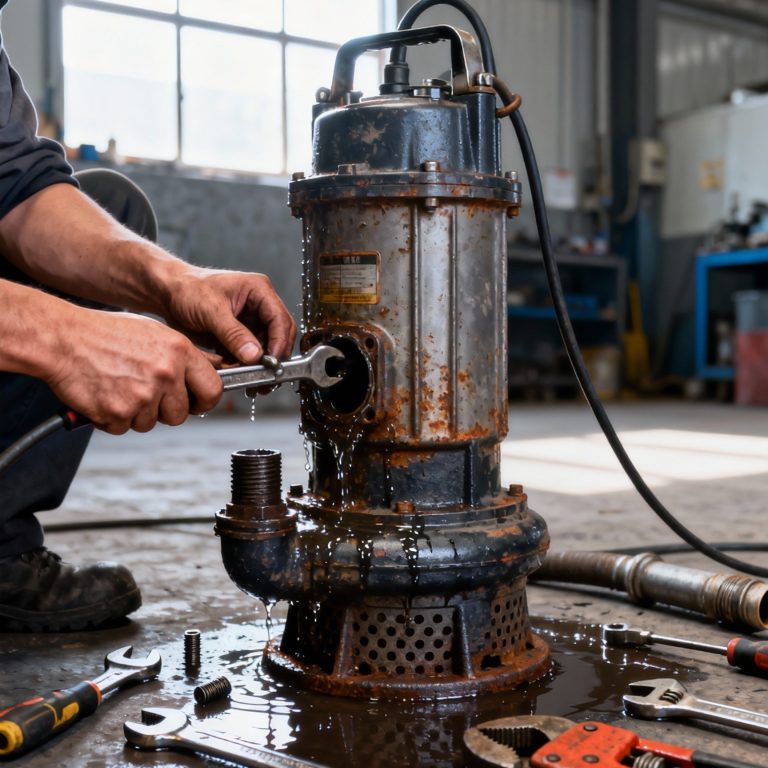
The mechanical seal on the shaft of a sewage pump is a core component that prevents medium leakage and ensures stable equipment operation. Its installation quality directly determines sealing effectiveness, while routine maintenance impacts service life. Considering the operational characteristics of sewage pumps handling complex media such as sewage and sludge, the following details the standardised installation process, key precautions, and scientific maintenance methods for shaft seals—mechanical seals.
I. Installation Procedure 1. First, install the stationary ring into the seal chamber seat. Ensure the sealing surface of the stationary ring is flat and properly seated. Apply gentle pressure during installation to avoid tilting the ring or damaging the sealing surface. If the stationary ring incorporates a seal ring, verify that the seal ring is correctly positioned within its groove without distortion or misalignment.
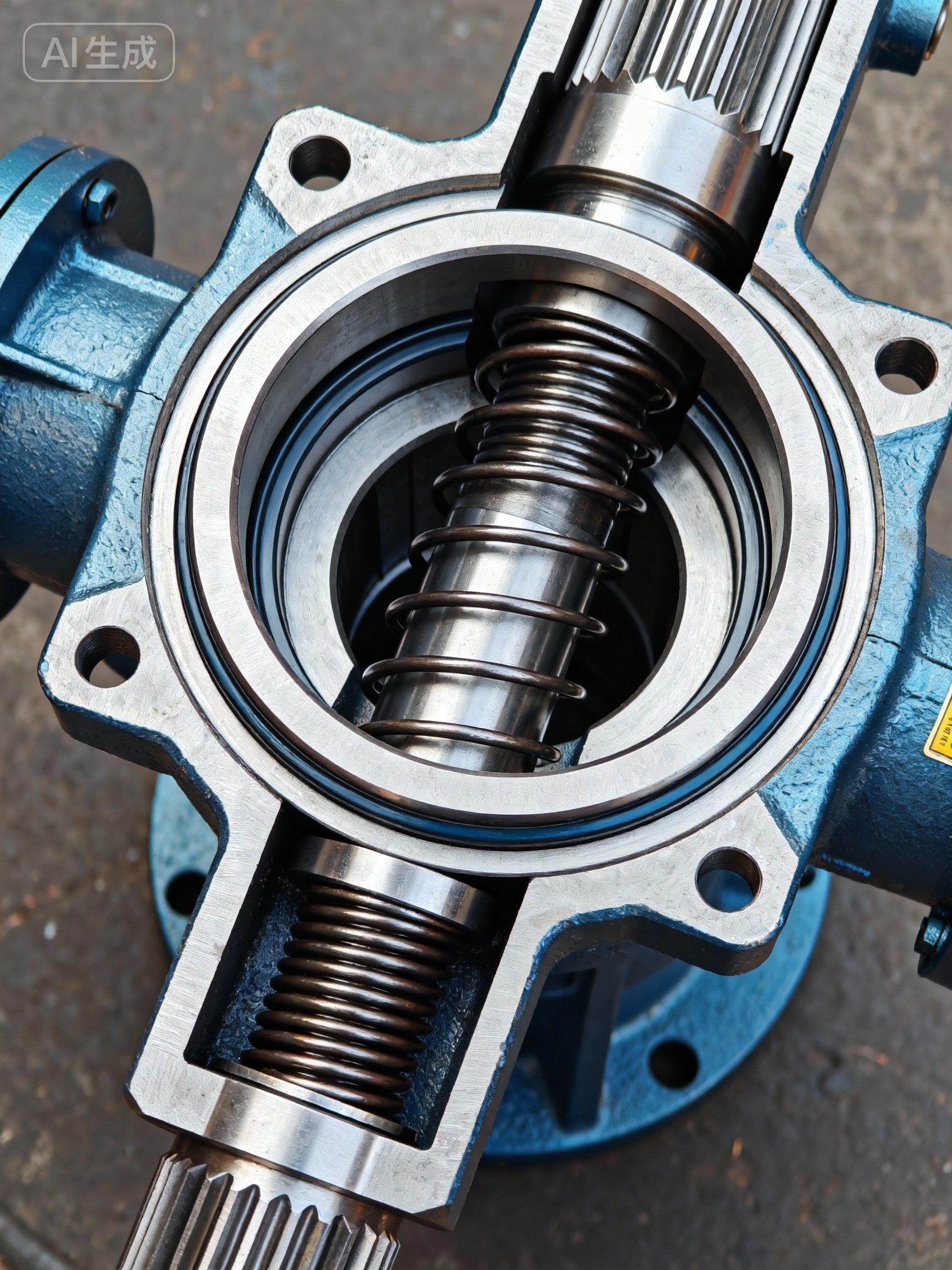
2. Assemble the rotating ring with the shaft sleeve, ensuring a tight fit between the rotating ring and sleeve. Install the springs correctly (springs must be undistorted with uniform elasticity; multiple springs should be symmetrically distributed). Apply a small amount of grease to the sleeve surface. Slowly push the assembled rotating ring assembly onto the pump shaft, ensuring precise alignment between the rotating ring seal face and the stationary ring seal face to prevent collision.
3. Adjust the sleeve position to ensure the mechanical seal compression meets specifications (compression varies by seal type, typically 2-5mm; refer to product manual). Excessive compression may cause seal face overheating and wear, while insufficient compression compromises sealing integrity. Verify pump shaft concentricity using a dial indicator, maintaining deviation within 0.05mm to prevent uneven stress on seal faces during operation.
4. Tighten the shaft sleeve fixing bolts symmetrically and evenly to prevent deformation. Install the seal chamber end cover, tightening its bolts symmetrically to ensure coaxial alignment with the pump shaft. Finally, verify the mechanical seal rotates freely without binding.
II. General Installation Precautions 1. Forbidden to use excessive force during installation: Whether handling rubber seals or mechanical seal rotating/stationary rings, always handle with care. Avoid impact from hard objects or scratching the sealing surfaces or lips, as this will directly cause seal failure.
2. Control clearance: The fit clearance between the pump shaft and seal components must comply with specifications. Excessive clearance may cause seal deformation and leakage, while insufficient clearance increases friction heat and accelerates seal wear. 3. Avoid dry-running: After installation, inject the medium or grease to ensure adequate lubrication and cooling of the sealing surfaces. Dry-running the pump (without medium) is strictly prohibited, as it will instantly burn out the seals. (II) Routine Maintenance (Monthly/Quarterly/Annually, adjusted per operating conditions) 1. Cleaning and Contaminant Removal: After shutdown, remove the seal chamber end cover to clean contaminants, oil residue, and wear debris from the seal faces and shaft sleeve surfaces. For gland seals, inspect packing wear; replace immediately if hardened, carbonised, or showing significant wear (follow installation procedure during replacement, avoiding misalignment of joints).
2. Lubrication and Cooling System Maintenance: Mechanical Seal: Inspect grease (or lubricating oil) for deterioration or insufficiency; promptly replenish or replace with compatible grease (avoid greases incompatible with the medium or seal materials). If equipped with a cooling system, clean the cooling water lines and verify cooling water flow rate and temperature to ensure effective cooling.
3. Auxiliary Component Inspection and Replacement: Examine mechanical seal springs for deformation or fracture. Inspect moving/stationary ring sealing surfaces for scratches, cracks, or wear (replace entire seal if sealing surfaces are severely worn). Check shaft sleeves, retaining rings, and other components for wear or deformation, replacing damaged parts promptly. Verify pump shaft concentricity and runout; adjust couplings or replace bearings if deviations exceed tolerances.
4. Seal Lifespan Assessment and Replacement: Periodically evaluate seal longevity based on operational duration and environmental severity (e.g., highly corrosive or high-solids-content media). Proactively replace aged seals nearing end-of-life to prevent sudden leakage failures. When replacing seals, select products matching the original model and material specifications to ensure compatibility with operating conditions.